What the EPA Says About Air Duct Cleaning, in Plain English
The EPA's guidance on air duct cleaning, summarized plainly: when it's worth considering, what it can't promise, what to avoid and how to check the work.
If you research air duct cleaning, you'll quickly find big promises: healthier air, lower bills, fewer allergies. Then you'll find the U.S. Environmental Protection Agency's guide, "Should You Have the Air Ducts in Your Home Cleaned?", which is far more measured. We think it's the best place for homeowners to start, so here's a plain-English summary for Englewood households, along with how it shapes the way we work.
The big picture: clean when there's a reason
The EPA doesn't recommend cleaning air ducts on a routine schedule. Its position is that cleaning should happen as needed. It also points out a few things that surprise people:
- There's no evidence that a light amount of household dust in ducts poses a health risk.
- Much of the dirt in ducts sticks to duct surfaces and doesn't necessarily enter the living space.
- Dirty ducts are only one of many sources of particles in a home. Cooking, cleaning, smoking and simply moving around can contribute more.
None of that means duct cleaning is pointless. It means it's a tool for specific situations, not a routine fix.
When the EPA says to consider it
The guide lists a few situations where cleaning should be considered:
- Substantial visible mold growth inside hard-surface ducts or on other parts of the system. The EPA adds that only an expert, sometimes with a lab test, can confirm whether it's mold.
- Vermin, such as rodents or insects, in the ducts.
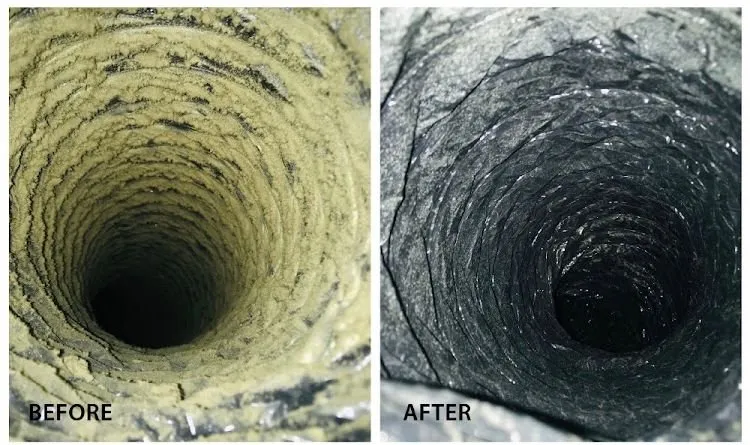
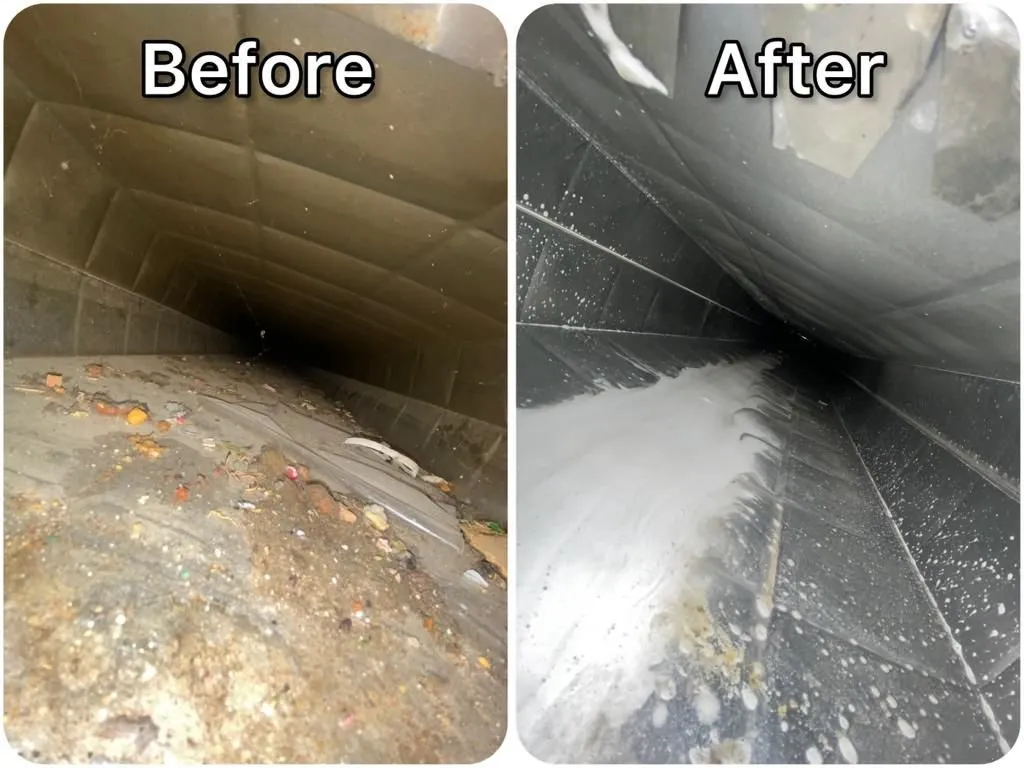
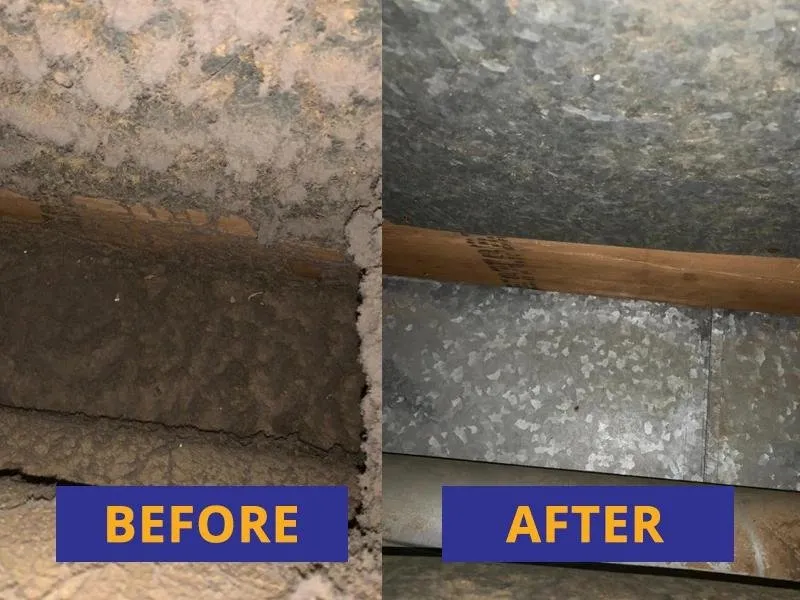
- Excessive dust and debris in the ducts, or particles actually being released into the home from the supply registers.
The guide also stresses fixing the underlying cause first. If moisture, pests or a dusty project are the source, the problem will likely return unless that's dealt with.
For the first item, if you suspect mold, a qualified mold professional should assess it.
What the EPA says cleaning can't promise
This is the part most advertising leaves out:
- Health: The EPA says duct cleaning has never been shown to actually prevent health problems, and studies don't conclusively show that particle levels in homes increase because of dirty ducts.
- Energy: Cleaning heating and cooling components like coils, fans and heat exchangers may improve efficiency, but there's little evidence that cleaning only the ducts does.
That's why you won't see us claim that a duct cleaning will cure allergies or cut your utility bill.
What the EPA says to be careful about
The guide raises a few cautions worth knowing before you hire anyone:
- Sealants. The EPA says sealant products sprayed inside ducts haven't been fully researched and may affect the fire rating and warranty of fiberglass duct material.
- Wet or moldy insulation. Insulated duct material that gets wet or moldy can't be effectively cleaned and should be removed and replaced.
- Choosing a company. The guide advises getting written estimates from several providers, asking them to show you the contamination that would justify a cleaning, avoiding companies that make sweeping health claims, and checking references.
How the EPA says to check the work
After a cleaning, the EPA suggests a simple review: look at the ducts and registers, make sure registers and grilles are back in place and visibly clean, confirm the system runs in both heating and cooling modes, and ask the company to show you what they cleaned.
The full EPA checklist also mentions coils, the blower and drain pans. Those are HVAC equipment parts that an HVAC contractor services. Our air duct cleaning covers the supply and return ducts and the registers. It's $199 for up to 10 vents, plus $29 for each additional vent, and deep duct cleaning is $59.99 per vent. Every price is on our pricing page.
The EPA's prevention tips
The guide ends with ways to keep ducts from getting dirty in the first place:
- Use the highest-efficiency filter your HVAC system's manufacturer recommends, change it regularly and make sure there are no gaps around it.
- Seal registers and avoid running the system during dusty renovation work.
- Vacuum with a high-efficiency (HEPA) vacuum or the best bags your vacuum takes.
- Keep moisture under control, and have a professional address condensation or water problems.
- Have fuel-burning furnaces inspected before each heating season.
Not sure if we cover your neighborhood? Check our service areas.
If your home fits one of the EPA's situations, request a free estimate from Fresh Air Duct Cleaning Englewood. If it doesn't, we'll tell you that too.
Sources
- Should You Have the Air Ducts in Your Home Cleaned?, U.S. EPA, last updated February 19, 2026