Cottonwood, Ragweed and Your Indoor Air
How spring cottonwood fluff and fall ragweed pollen reach the inside of Denver-area homes, and practical steps for filters, windows, vents and ducts.
Around Englewood, you can almost mark the seasons by what is in the air. In late spring, cottonwood trees along the creeks and the South Platte release clouds of white fluff that drift across yards and pile up against fences. By late summer and fall, ragweed and other weeds take over, and the pollen is invisible but just as present.
Both seasons bring particles into your home. This post looks at how that happens and what you can do to keep more of it out, from simple habits to your HVAC filter and ductwork.
What the cottonwood fluff really is
Cottonwood fluff is the seed fiber of female cottonwood trees, which grow thickly along rivers and creeks across the Front Range. It is light, it travels far on the wind and it catches on screens, outdoor AC units, dryer vent hoods and anything with a mesh or grille.
The fluff itself is large and easy to see. Pollen from cottonwoods and other spring trees, like elms, maples and junipers, is released earlier and is much finer. If you notice symptoms in spring, talk to an allergist or your doctor about what you are actually reacting to. That conversation belongs with them, not with a duct cleaner.
For your home, the practical issue with cottonwood fluff is that it clogs things:
- Outdoor AC condenser coils can get matted with fluff, which restricts airflow. Your HVAC contractor can clean them or show you how to rinse them safely.
- Window screens fill up and let less air through.
- Dryer vent hoods can collect fluff around the flap, especially low hoods near the ground. Mixed with lint, it can keep the flap from opening.
Fall ragweed and weed pollen
Ragweed pollen is tiny and produced in huge amounts, and a single plant can release a lot of it over the season. It is one of the most common causes of late-summer and fall seasonal allergies in the United States. Other weeds add to the mix.
Unlike cottonwood fluff, you will not see ragweed pollen. It comes in on clothes, shoes, pets and through open windows on breezy days, then settles on floors, furniture and bedding.
How pollen reaches your ducts
Your HVAC system pulls air from the living space through the return grilles. Any pollen floating in your rooms gets carried to the filter. A good filter catches much of it, but some passes through, and some settles in the return ducts before it ever reaches the filter.
That is why the filter is your first line of defense during both seasons:
- Use a filter rated as high as your system allows without restricting airflow. Your HVAC contractor or the equipment manual can tell you the limit.
- Check it monthly during heavy pollen periods, and change it when it looks loaded.
- Make sure it fits snugly. Gaps around the edge let air bypass the filter entirely.
Simple habits that help
- Close windows on high-pollen days. Local pollen counts and air quality forecasts can help you decide.
- Change clothes after yard work and wash them, and shower before bed during peak season.
- Wipe down pets after they come in, or brush them outdoors.
- Vacuum with a HEPA filter a couple of times a week during peak season.
- Clean register covers and return grilles. Pollen and dust collect on the slats and inside the openings.
Where duct cleaning fits
Duct cleaning is not an allergy treatment, and the EPA notes that it has not been shown to prevent health problems. We do not claim it will cure allergies.
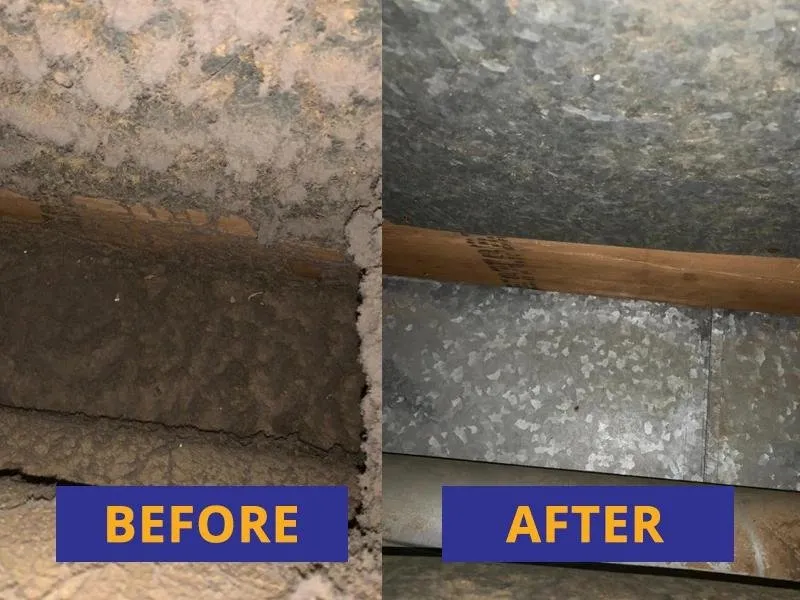
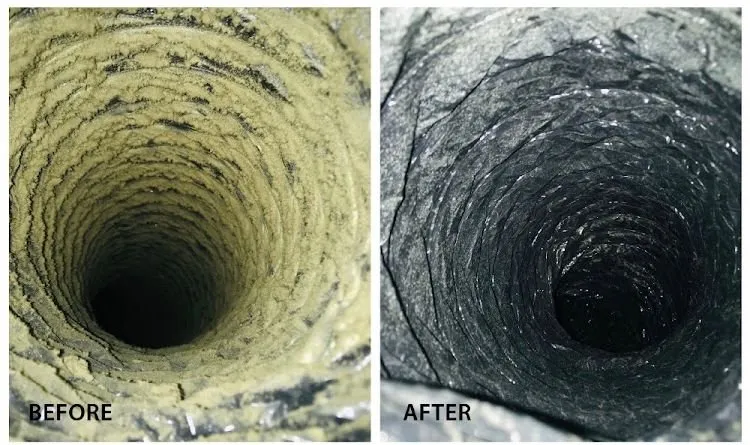
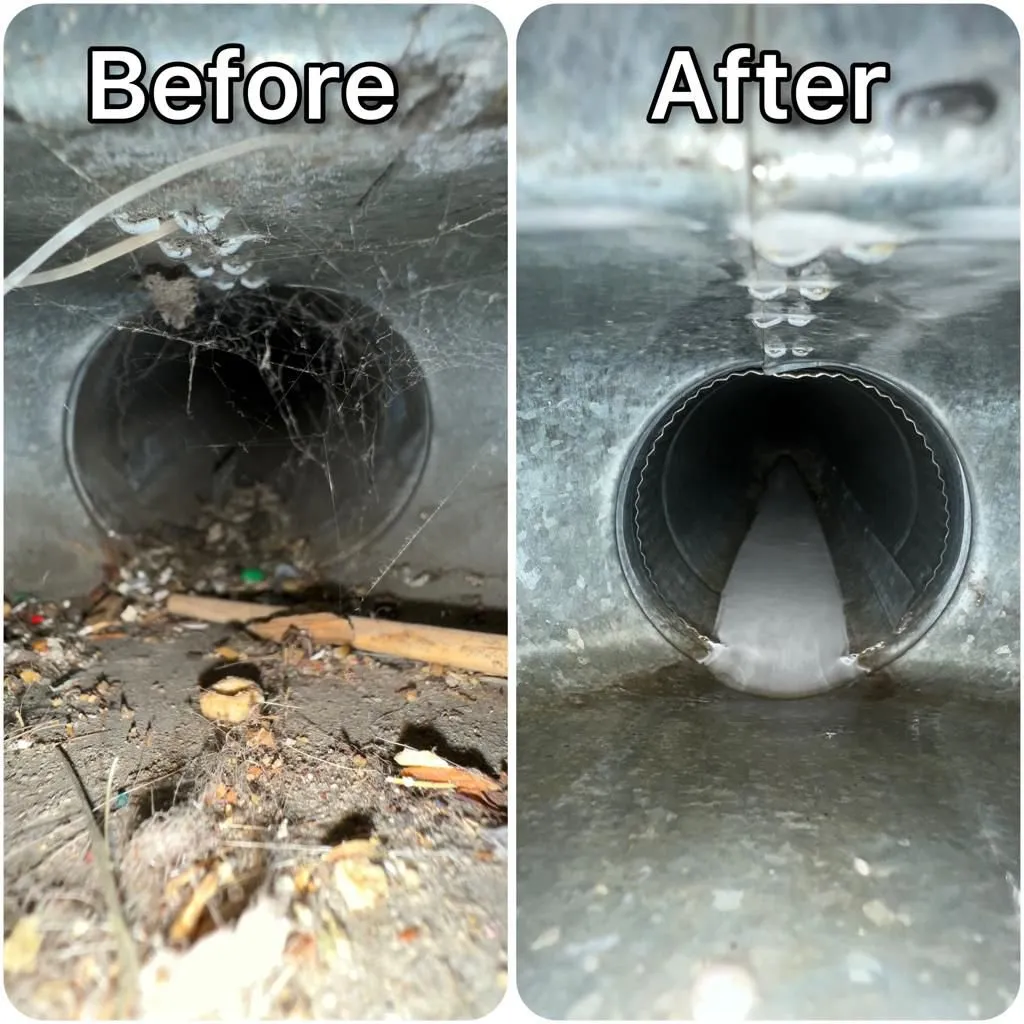
What it can do is remove built-up dust and debris, including pollen that has settled in the ducts over years, from the supply and return runs. It makes the most sense when you can see heavy buildup inside the ducts, when dust is blowing from the registers or after a remodel. If your ducts look clean, better filtration and the habits above will do more for you.
Fresh Air Duct Cleaning Englewood offers basic air duct cleaning at $199 for up to 10 vents, with $29 for each additional vent, and deep duct cleaning at $59.99 per vent for specific runs.
Don't forget the dryer vent
Cottonwood season is a good time to check your dryer vent hood. If the flap is packed with fluff and lint, clear what you can reach and make sure it swings freely when the dryer runs. If drying times have crept up, the vent itself may be clogged. Dryer vent cleaning is $99 for up to 10 feet.
If you would like a professional look at your ducts or dryer vent in Englewood, CO, request an estimate.