Replacing Your Furnace or AC? Should You Clean the Ducts?
A new furnace or AC usually connects to your existing ducts. When a cleaning makes sense around a replacement, how to time it and what the installer handles.
Replacing a furnace or air conditioner is a big decision, and it usually comes with a lot of questions about sizes, efficiency ratings and brands. One question that comes up near the end: should the ducts be cleaned too?
In most Englewood homes, a new system connects to the existing ductwork. The furnace is new, but the ducts it pushes air through might be decades old. Here's how to think about cleaning around a replacement, and how to time it so you don't pay for the same work twice.
Your new system uses your old ducts
Unless your installer is replacing ductwork as part of the job, the new equipment will connect to the same supply and return ducts you have now. Whatever has accumulated in them over the years stays there after the swap.
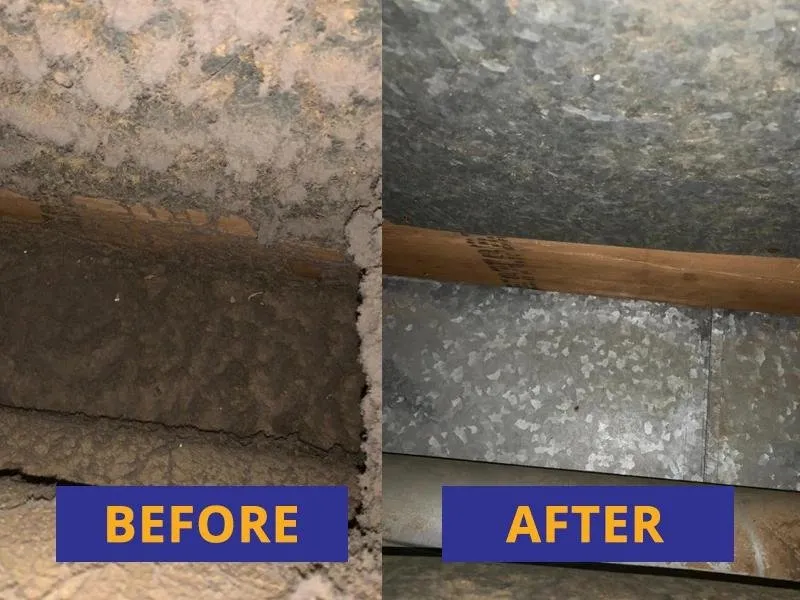
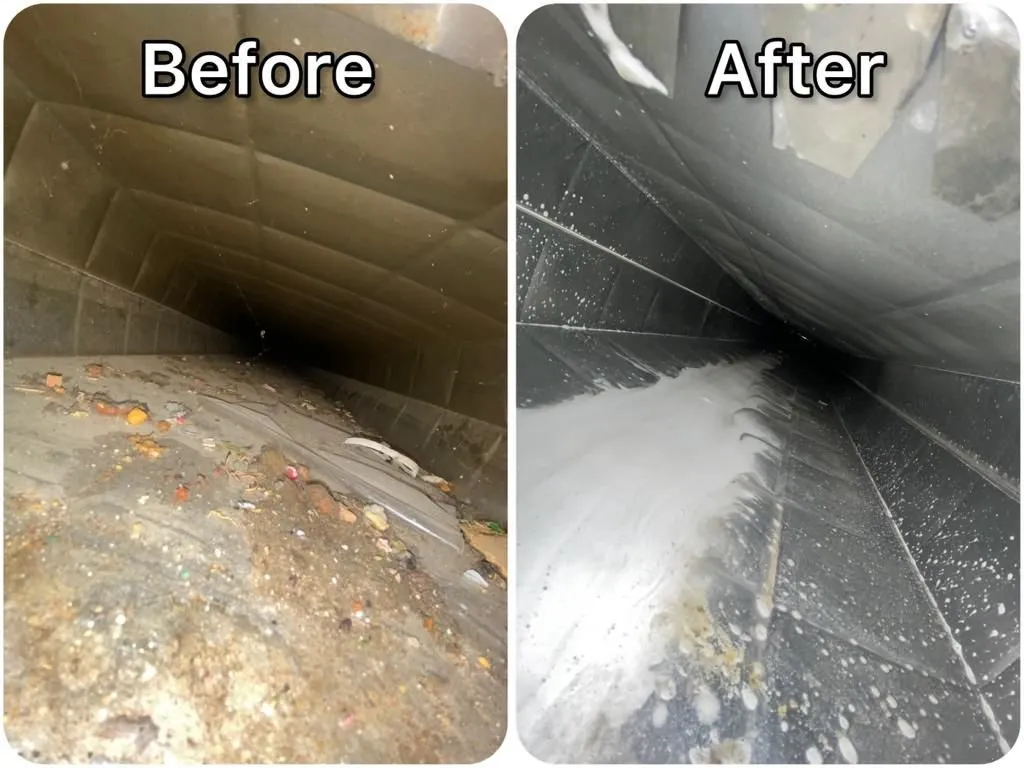
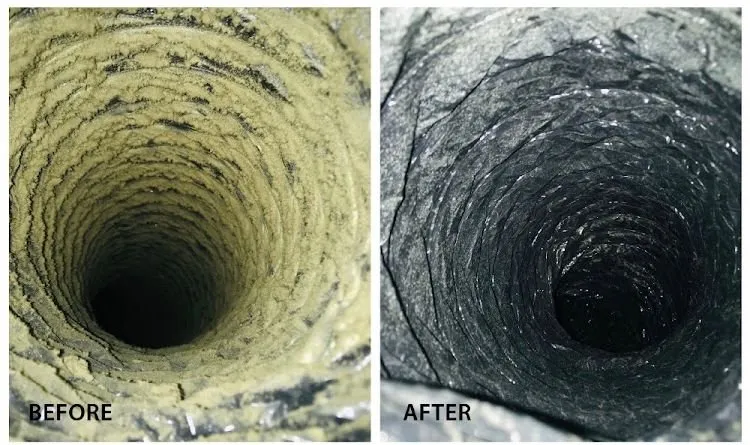
That doesn't automatically mean you need a cleaning. The EPA notes there's no evidence that a light amount of household dust in ducts poses a health risk, and it doesn't recommend cleaning on a routine basis. It suggests considering a cleaning when there's:
- Excessive dust or debris inside the ducts
- Dust or particles visibly blowing out of the supply registers
- Evidence of vermin, like rodents or insects
- Substantial visible growth that a qualified professional has confirmed as mold
A replacement is simply a natural time to look, because the system is being opened up and you're already thinking about it.
Ask your installer about the ductwork
Before you decide on cleaning, ask your HVAC contractor about the ducts themselves. They're the right person to answer questions like:
- Are the ducts the right size for the new equipment?
- Are there disconnected, crushed or leaking sections?
- Is any ductwork damaged badly enough to replace?
- Does the return side have enough capacity?
These are design and repair questions, not cleaning questions. If sections of duct are going to be replaced, there's no reason to clean them first. And if the EPA's warning signs apply to fiberglass-lined or insulated ducts that have gotten wet or moldy, the EPA says that material should be removed and replaced rather than cleaned.
Timing: before, during or after?
The order matters, because installation itself can create debris. Old equipment comes out, new equipment goes in, and connections get cut and refitted.
After installation is usually the better choice. Cleaning once the new furnace or AC is in place removes both the old buildup and anything knocked loose during the work. It also lets you confirm the system runs in heating and cooling modes when the cleaning is done, which is one of the items on the EPA's post-cleaning checklist.
Ask about protecting the new equipment. Talk with your installer about the filter and when to change it after a ductwork project. A fresh filter after the cleaning is a good habit either way.
If other projects are happening, like drywall work or flooring, wait until those are finished too. The EPA recommends sealing registers and not running the system during dusty work.
What we clean and what we don't
Our air duct cleaning covers the supply and return ducts and the registers. Rotating brushes loosen buildup along the duct walls and a HEPA-filtered vacuum removes it. It's $199 for up to 10 vents, plus $29 for each additional vent. If only certain runs need attention, deep duct cleaning is $59.99 per vent.
We don't install, service or repair furnaces, air conditioners or heat pumps, and we don't repair or replace ductwork. Your HVAC contractor handles the equipment and the ducts' design and condition. We handle cleaning the inside of the ducts.
We also don't make efficiency promises. The EPA notes that cleaning components like coils and fans can affect efficiency, but there's little evidence that cleaning only the ducts does. Your new equipment's efficiency comes from the equipment and the installation.
Don't forget the dryer vent
If you're already scheduling home system work, it's a good time to check the dryer vent too. It's a completely separate system from the HVAC ducts, but it's easy to forget. Our dryer vent cleaning is $99 for up to 10 feet, plus $15 for each additional foot, with the inspection included.
A simple plan
- Get the replacement quote and ask the installer about duct condition.
- Let the installer handle any duct repairs or replacements.
- After installation, schedule the cleaning if the EPA's signs apply.
- Change the filter afterward and keep up with it.
Our service areas page lists the towns we cover around Englewood.
If you're planning a replacement and want a straight answer about your ducts, request a free estimate from Fresh Air Duct Cleaning Englewood.
Sources
- Should You Have the Air Ducts in Your Home Cleaned?, U.S. EPA, last updated February 19, 2026